Section 5 of 5 · about 2 min read

Enrichment for Every Life Stage

Puppies, adolescents, adults, seniors, dogs on rest and planning your week.

Supervise your dog with any new toy, chew or puzzle until you know how they use it. If your dog is on a special diet or has a health condition, check with your vet before using food-based enrichment.

Lesson 1

Puppies: little and often

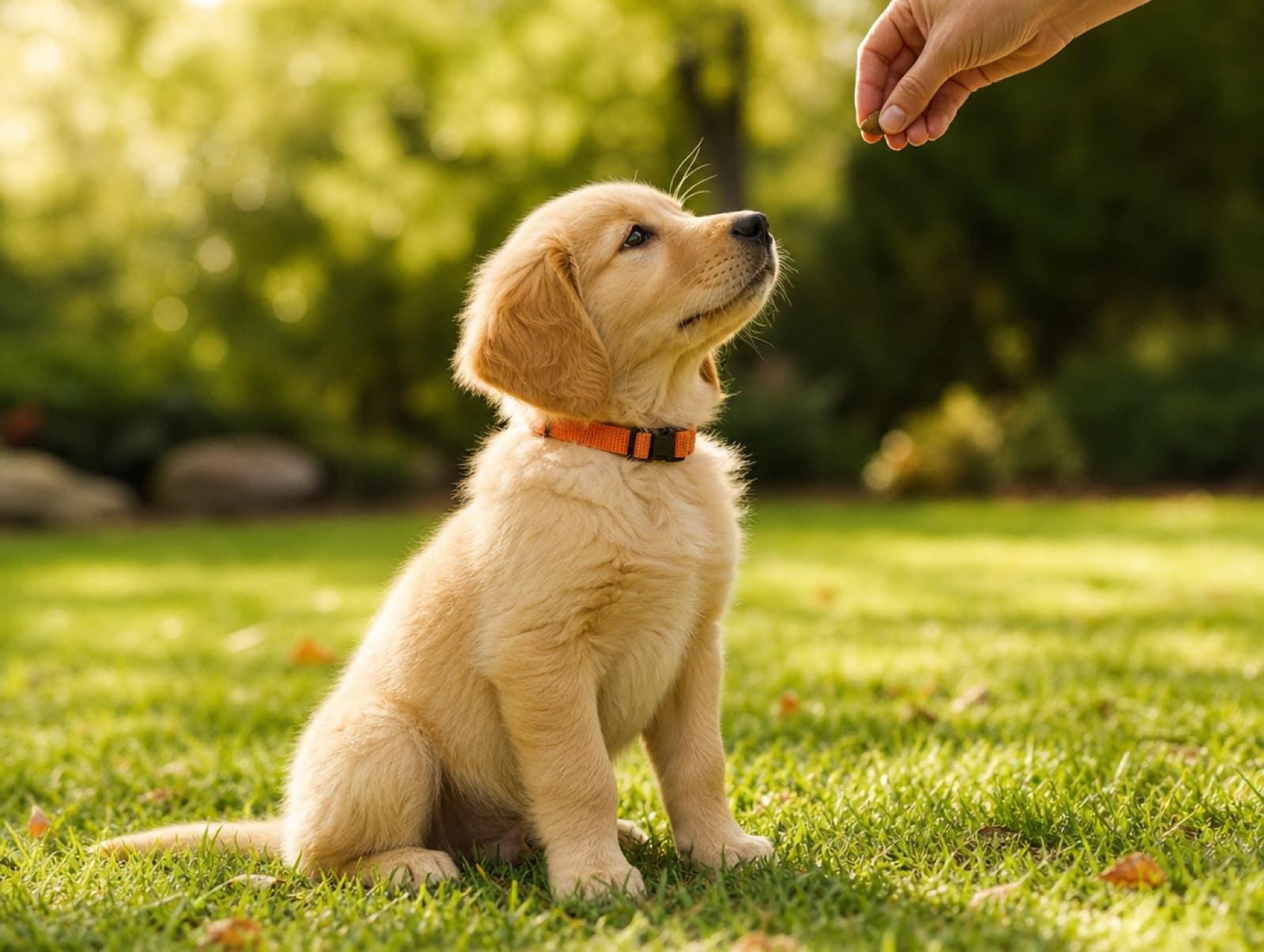
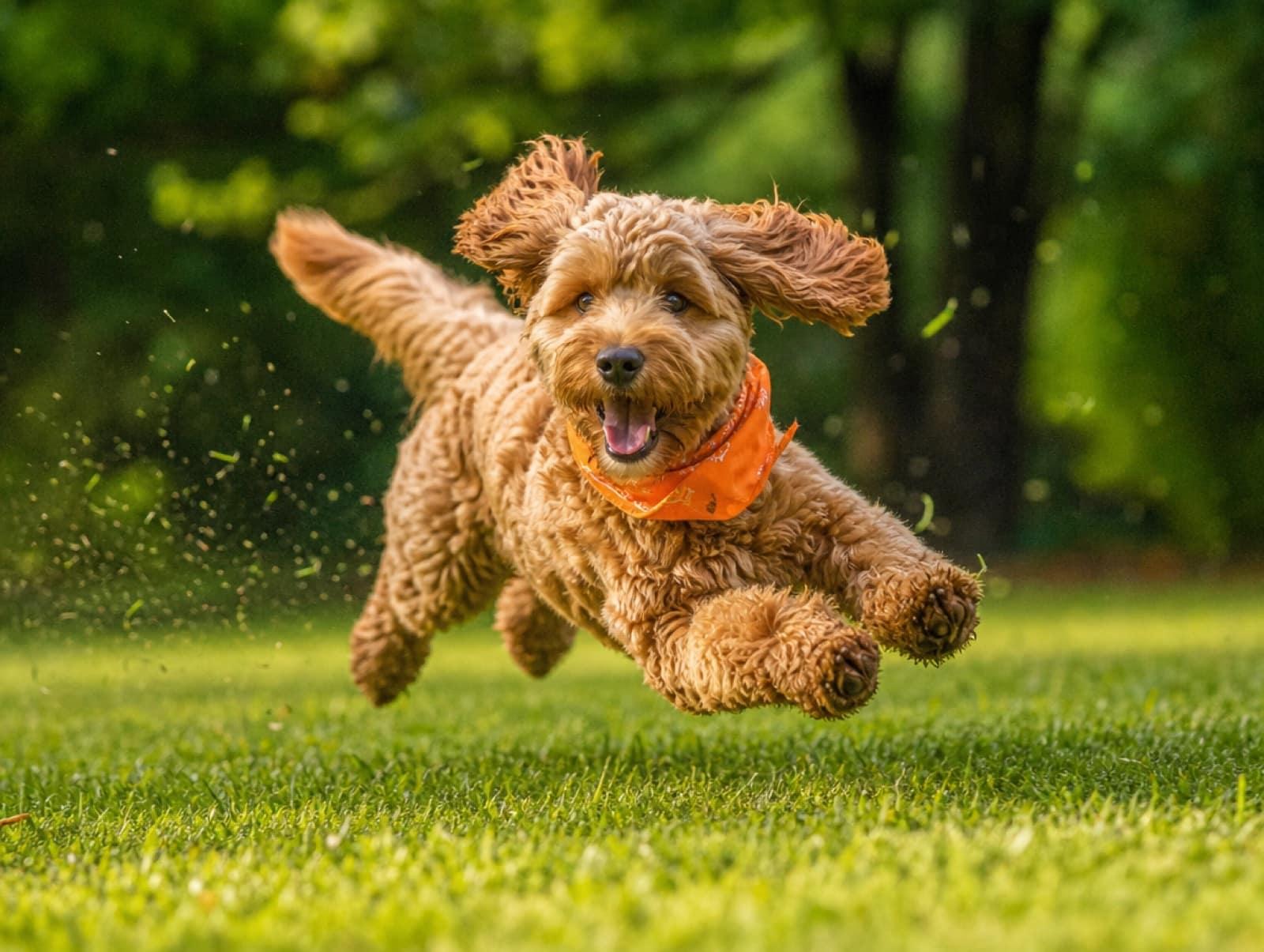
Puppies learn fast but tire quickly. Keep games and training to a few minutes at a time, then let them sleep. Puppies need lots of rest, often 18 to 20 hours a day, and an overtired puppy can become bitey and wild. Good puppy enrichment includes easy scatter feeds, simple food toys, safe chews for teething and calm, positive introductions to new sights, sounds, surfaces and people. That’s socialisation, and the first few months matter most. Go at your puppy’s pace, and let them watch from a distance if they’re unsure.
Lesson 2

Adolescents and adults

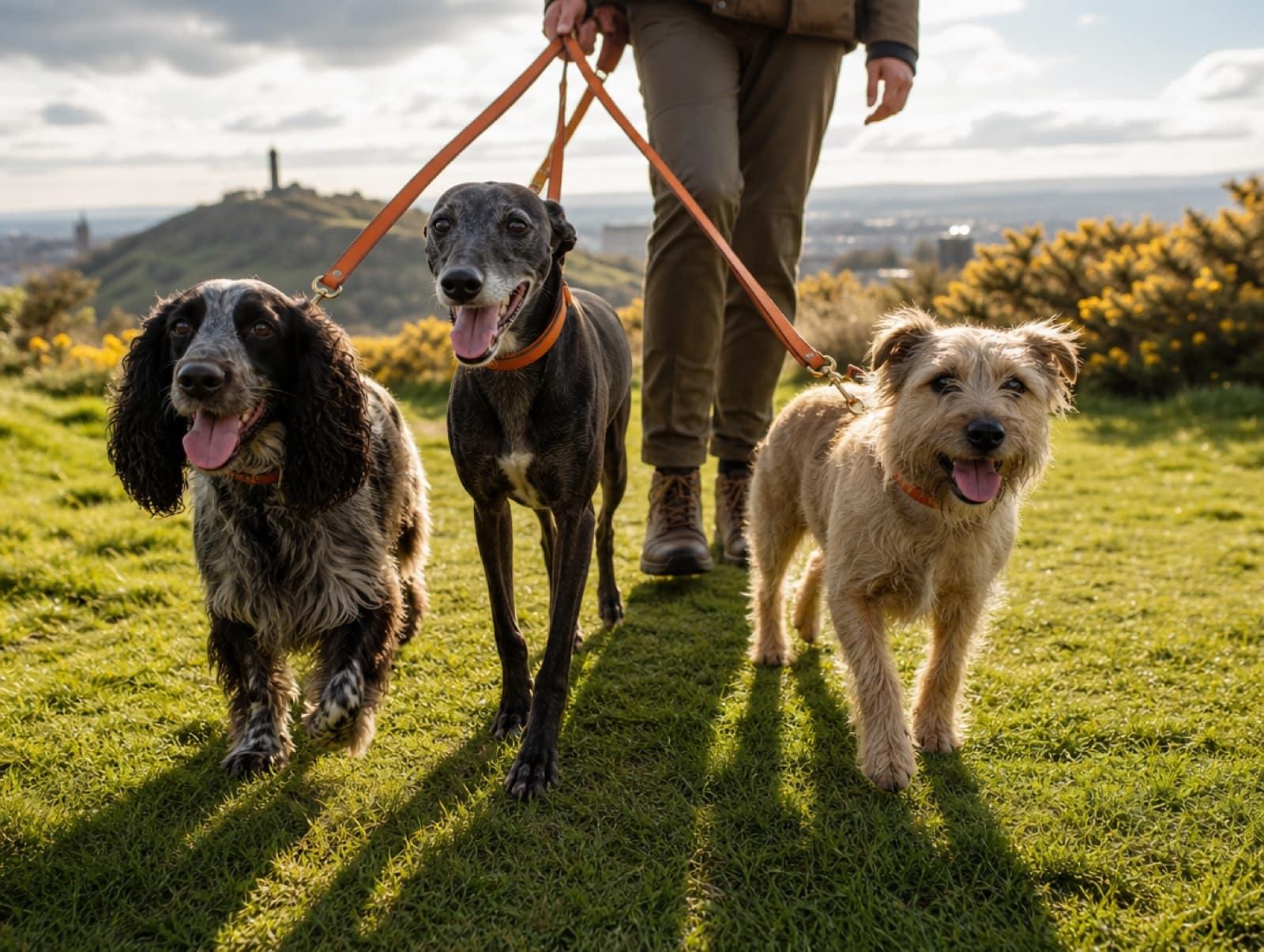
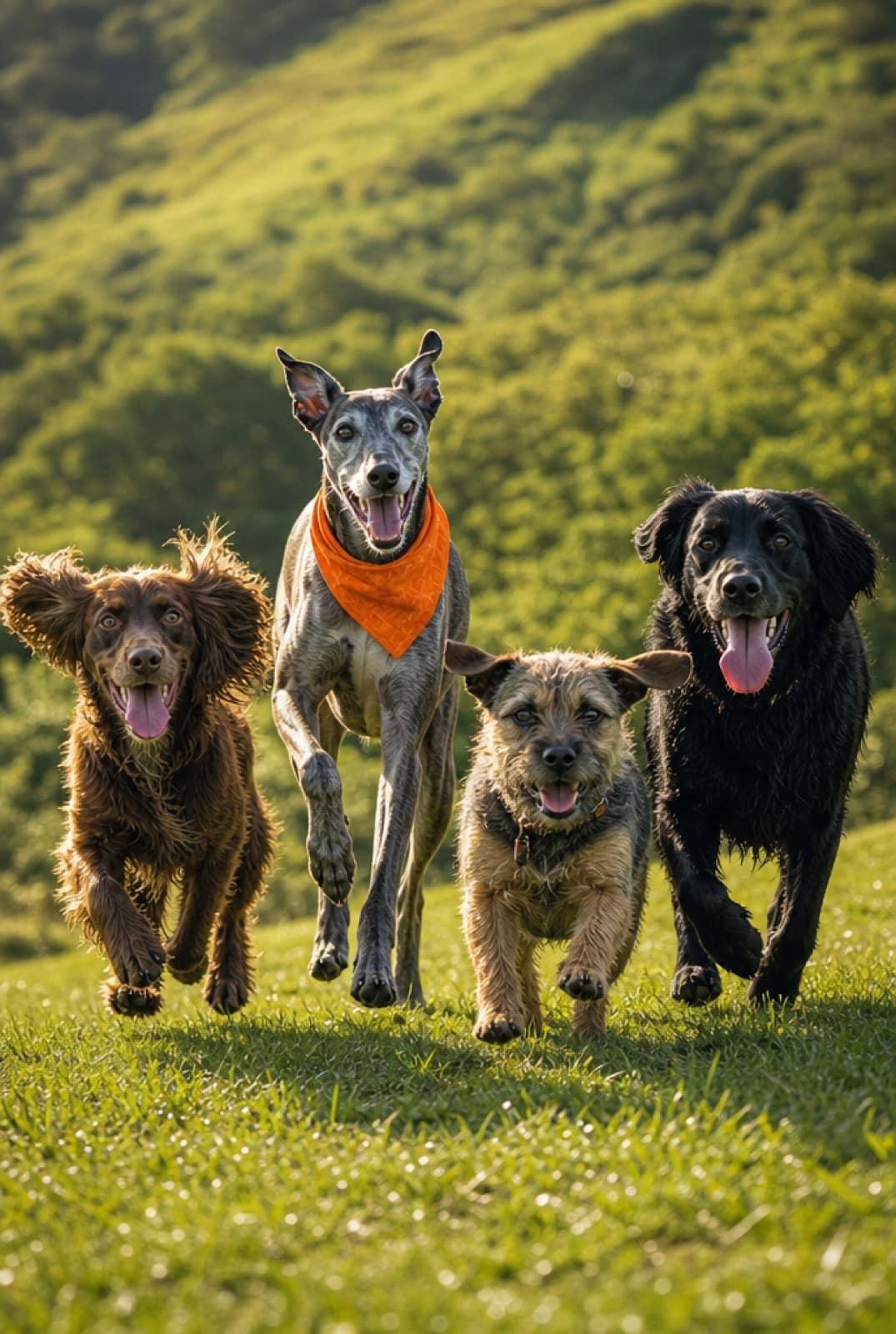
Adolescence often runs from around six months to two years, depending on the dog. Teenage dogs can be distractible, bold one day and worried the next. Enrichment gives them healthy outlets: sniff walks, chews, food puzzles and short, fun training. Keep routines predictable and expectations realistic. For adult dogs, think about breed and personality. A spaniel may adore scent work, a terrier may love digging, and a collie may enjoy learning new tricks. Mix in new routes and challenges so life isn’t the same walk every day.

Lesson 3

Senior dogs: gentle and comfortable

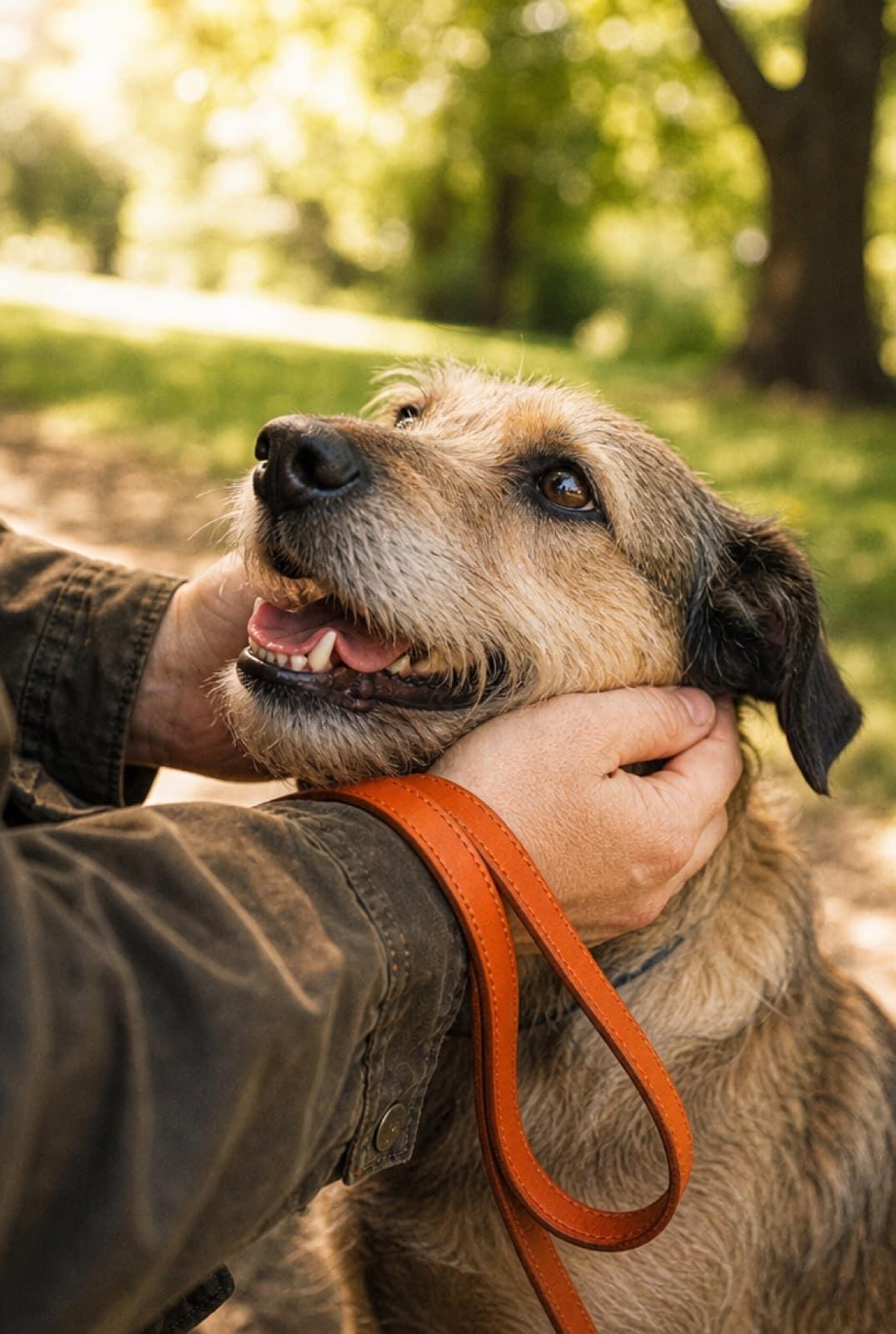
Older dogs still need enrichment. It helps keep their minds active and their days interesting. Swap long walks for shorter, slower sniff walks. Offer easier puzzles, gentle scent games and lick mats. Put rugs or non-slip mats on slippery floors and keep games low-impact. Soft, supportive bedding in a quiet spot matters too. Watch for changes such as stiffness, confusion, different sleep patterns or reluctance to play, and talk to your vet. Pain and age-related changes can often be helped.

Lesson 4

Rest, recovery and anxious dogs

Dogs on crate rest or restricted exercise after surgery or injury can get frustrated. Ask your vet exactly what is allowed, then use calm enrichment: lick mats, stuffed toys, chews if suitable, a small scatter feed in their pen and gentle nose-touch training. Less exercise may mean they need less food, so ask about portions too. For anxious dogs, predictability is kind. Use calm, familiar activities, let them opt out and avoid pushing them into scary situations. Your vet and a qualified behaviourist can help build a plan.

Lesson 5

Planning a weekly routine

A simple plan helps enrichment become a habit. Aim for a mix of categories across the week, rather than everything every day. You might choose a sniff walk on two days, a new route at the weekend, food puzzles for breakfast, a few minutes of trick training most days and a chew or lick mat in the evening. Build in quiet days too. Rest and good sleep are part of wellbeing, and busy, overstimulated dogs often need more downtime, not more activity. Note what your dog loves, and adjust as they change.

Practise

Enrichment through the years

Puppy

1 of 7 · tap the card to turn it

Life stage quiz

Question 1 of 4

Your puppy has turned into a bitey whirlwind after a busy morning. What do they most likely need?

Section revision

Score 70% or more to pass this section.

Question 1 of 8

Roughly how much sleep do puppies need?

Know someone who’d find this useful?WhatsAppFacebookEmail
Small numbers, big days
Zoomies: confirmed
Out on the hills
Ball is life
Settled at home
Best friends since Tuesday
Trail days
Little paws, big world
Known by name