Section 1 of 5 · about 2 min read

The Five Welfare Needs

Environment, diet, behaviour, company and health: what every dog needs, every day.

This course is general guidance, not legal or veterinary advice. Laws can change and every dog is different, so if you’re ever unsure, ask your vet.

Lesson 1

Five needs, one simple idea

Scottish law sets out five welfare needs that every dog has. They are a suitable environment, a suitable diet, the chance to behave normally, the right company, and protection from pain, suffering, injury and disease. They aren’t a list you tick once. They are a way of looking at your dog’s life every day. A dog can be well fed and still bored, or loved and still lonely. Good welfare means all five are met, for this dog, at this stage of life. A handy way to remember them: Home, Food, Fun, Friends and Health.

Lesson 2

A safe home and the right food

Your dog needs a comfortable, dry, draught-free place to rest, ideally somewhere quiet where they won’t be disturbed. Keep them at a comfortable temperature, with shade and water in warm weather. Make home and garden safe: medicines, cleaning products, bins and toxic foods out of reach, and fences and gates secure. For diet, most dogs do well on a complete, balanced food suited to their age, size and activity. Fresh water should always be available. Keep your dog at a healthy weight, and remember that treats count. Never feed chocolate, grapes, raisins, onions or anything containing xylitol, and change foods gradually.

Lesson 3

Behaviour: being able to be a dog

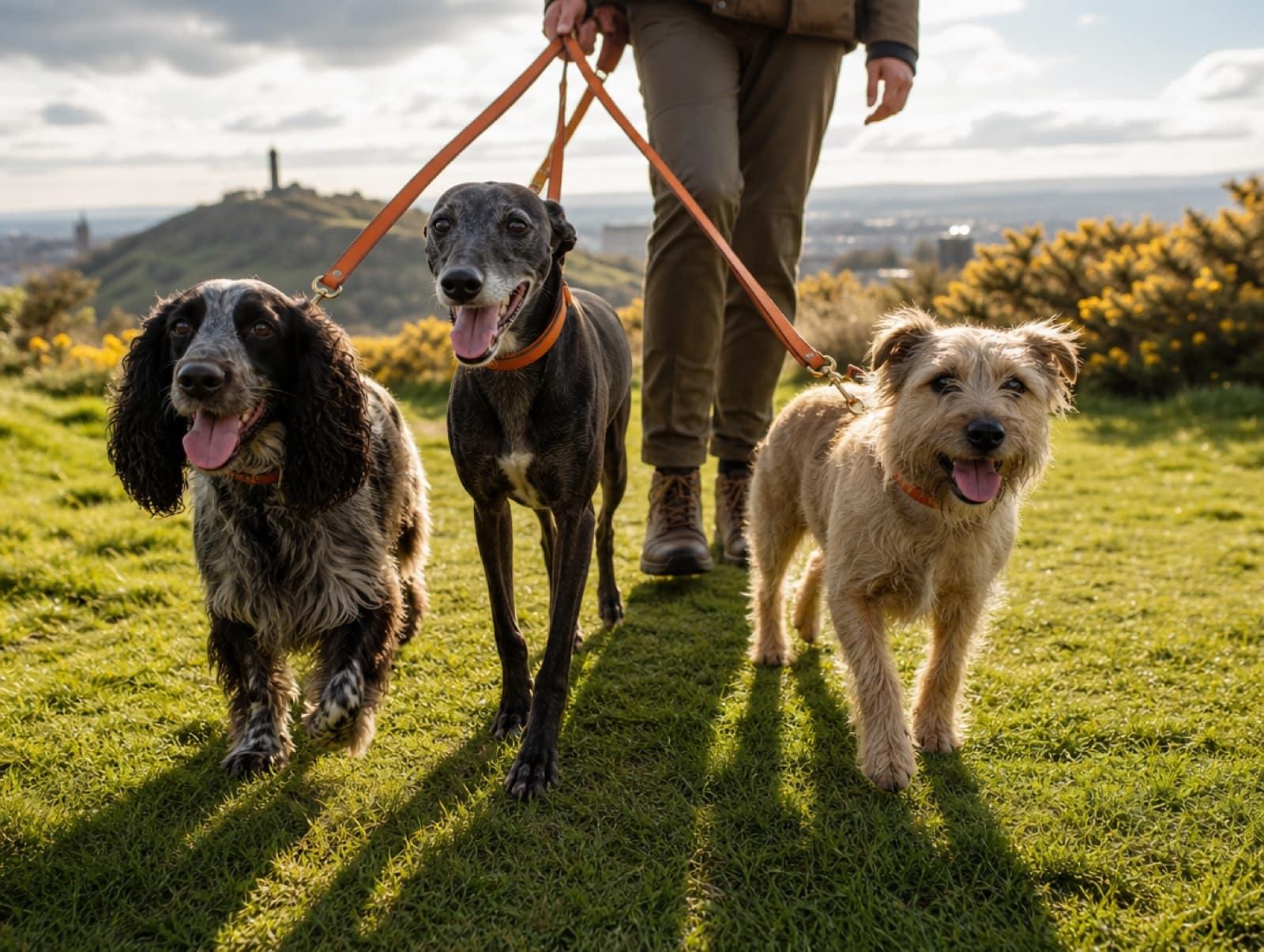
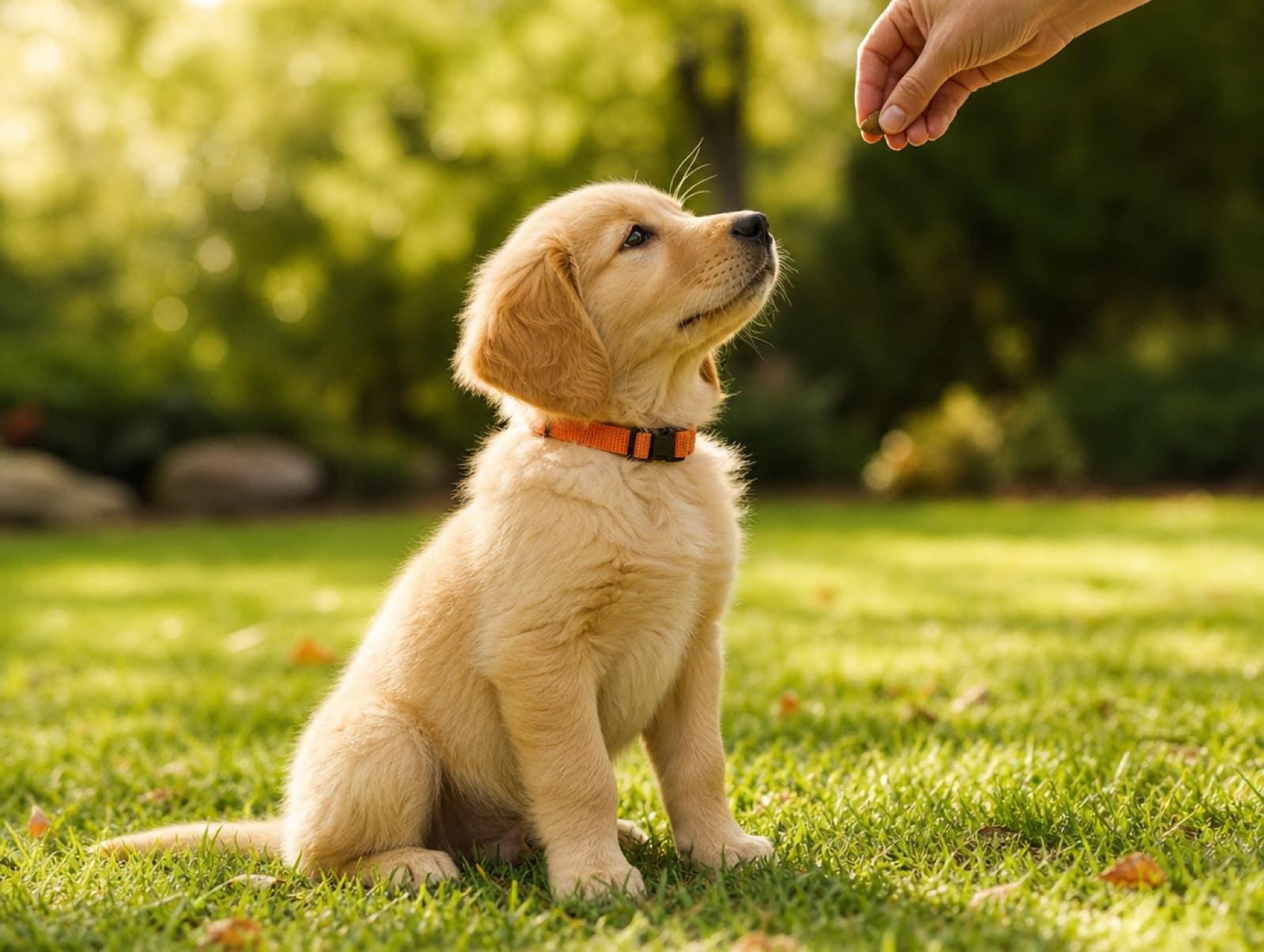
Dogs need to do dog things. Sniffing, exploring, chewing, playing, running, digging and resting are all normal behaviours. Walks with time to sniff, safe chews, puzzle feeders and play give these needs an outlet. When outlets are missing, dogs often find their own, such as chewing furniture or barking. Rest matters as much as activity, and adult dogs sleep for a large part of the day. Watch for changes too. A dog who stops playing, hides or seems restless may be unwell, worried or in pain. Kind, reward-based training helps them learn our rules without fear.

Lesson 4

Company: the right social life

Dogs are social animals and most love human company. UK welfare charities generally advise not leaving an adult dog alone for more than about four hours at a time, and puppies and some adult dogs cope with much less. Teach being alone gradually, starting with very short absences. Some dogs enjoy other dogs; others prefer people, and that’s fine. Never force friendships, and supervise dogs with other pets and with children. Howling, damage or toileting when left are signs a dog is struggling, not misbehaving. A dog walker, sitter or daycare can help fill the gaps.

Lesson 5

Protection from pain, injury and disease

This need is about prevention and prompt care. Vaccinations, parasite prevention and regular health checks, as your vet advises, stop many problems before they start. Everyday care such as tooth brushing, grooming and nail trims stops discomfort building up quietly. Insurance or savings help you say yes to treatment when it’s needed. Suffering includes fear and distress as well as physical pain, so plan ahead for things like fireworks and vet visits. Most important of all: if your dog seems unwell or in pain, don’t wait to see if it passes. Contact your vet.

Practise

Quick welfare self-check

Home: where does my dog rest?

1 of 6 · tap the card to turn it

Welfare needs: true or false?

  • A dog who is well fed and has a warm bed has all its welfare needs met.

  • Sniffing on walks meets a real behavioural need.

  • Every dog should enjoy playing with other dogs.

  • Fear and distress count as suffering, not just physical pain.

  • Chewing furniture always means a dog is being naughty.

Section revision

Score 70% or more to pass this section.

Question 1 of 8

Which of these is one of the five welfare needs?

Know someone who’d find this useful?WhatsAppFacebookEmail
Small numbers, big days
Zoomies: confirmed
Out on the hills
Ball is life
Settled at home
Best friends since Tuesday
Trail days
Little paws, big world
Known by name