Section 4 of 5 · about 2 min read

Play, Toys & Safe Games

Tug, fetch, chase, toy safety, play with other dogs and skill-building games.

Supervise your dog with any new toy, chew or puzzle until you know how they use it. If your dog is on a special diet or has a health condition, check with your vet before using food-based enrichment.

Lesson 1

Kinds of play

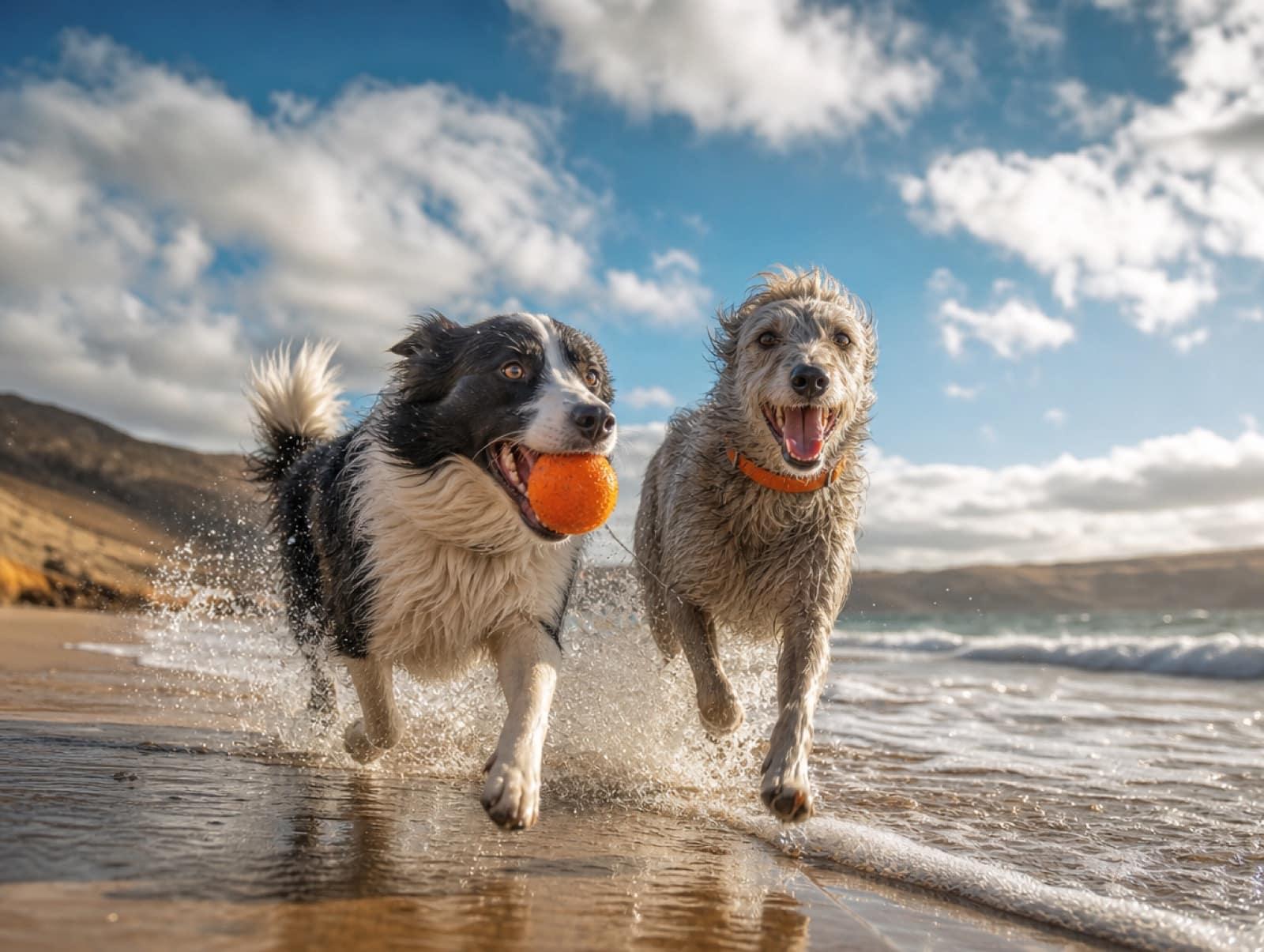
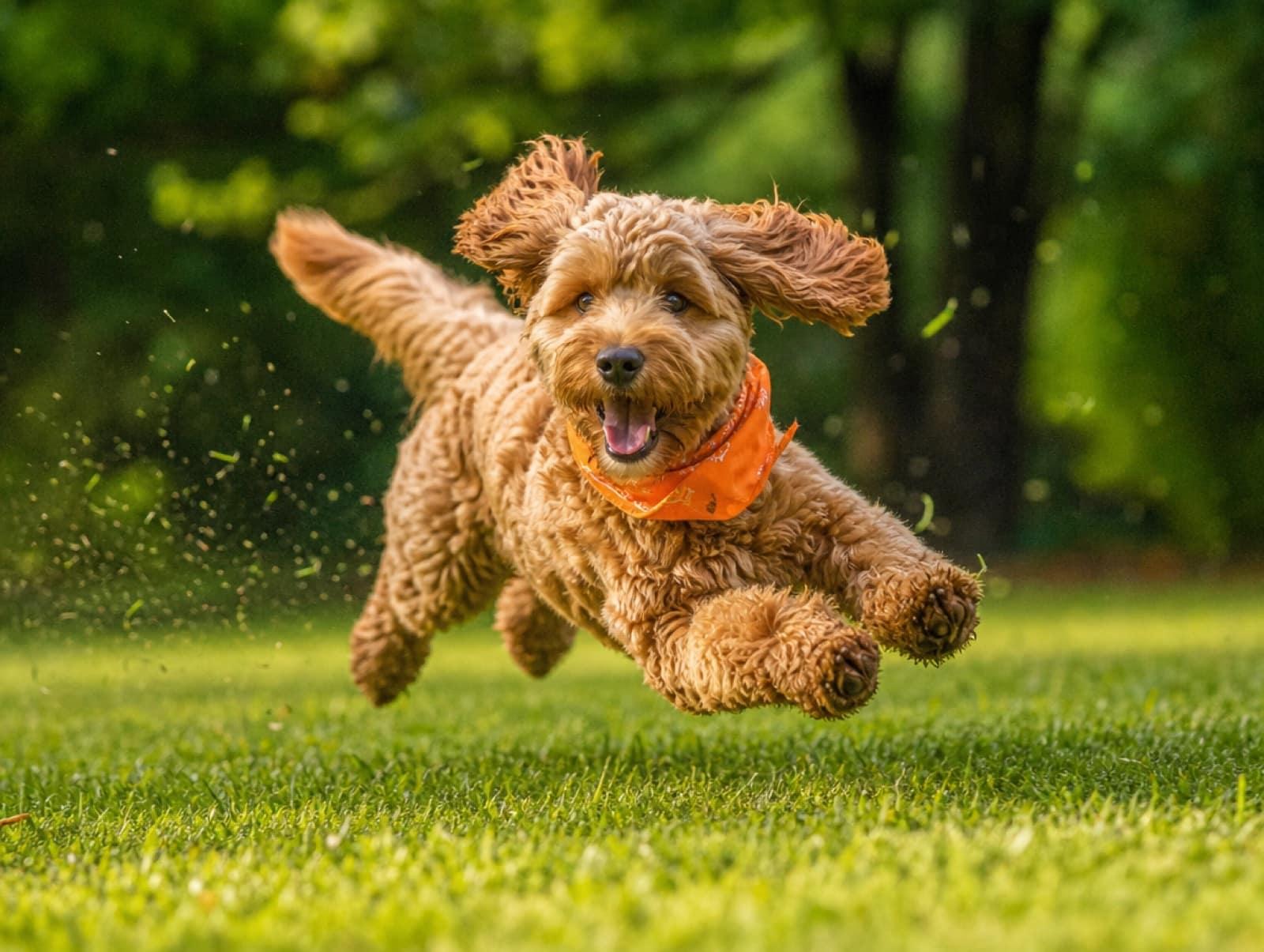
Play builds your bond and burns energy, and each game has its place. Tug is great fun and doesn’t make dogs aggressive when it has simple rules. Fetch is popular, but repeated sprints and sudden stops can strain joints and wind some dogs up, so keep it moderate and mix in other games. Chase games, where your dog chases you or a toy, should end before excitement tips over. Flirt poles, a toy on a cord tied to a pole, are best avoided for puppies and dogs with joint problems, and kept short for everyone else.
Lesson 2

Tug with rules

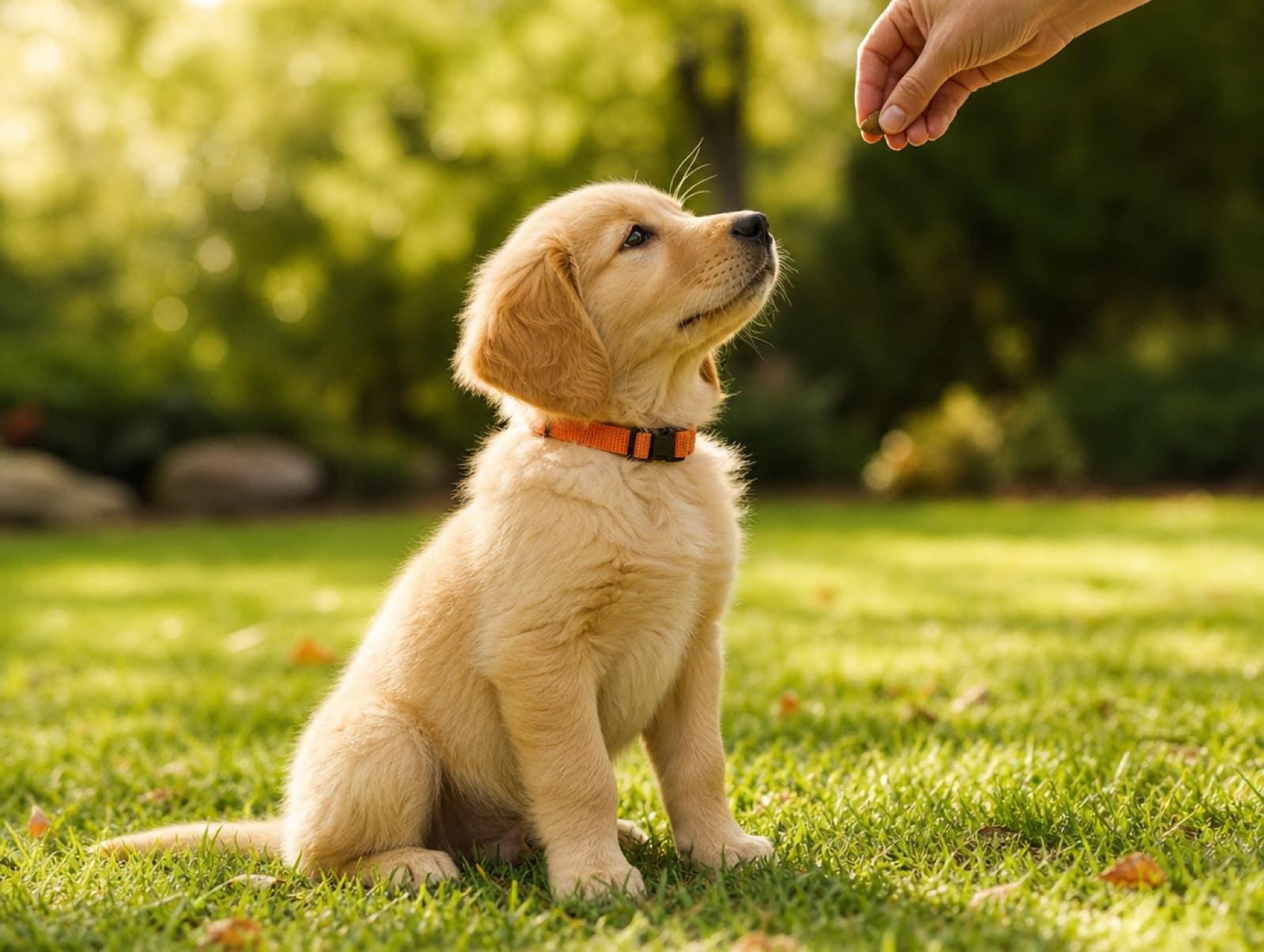
Good tug has a clear start and finish. Invite your dog with a cue like “take it”, then tug side to side rather than up and down. Keep it extra gentle with puppies, whose teeth are changing. Let your dog win sometimes, as it keeps the game fun. Teach “drop” by going still and swapping the toy for a treat, then restart the game as a reward. If teeth touch skin, pause the game briefly, then try again calmly. Finish with something quiet so your dog can settle.

Lesson 3

Toy safety and rotation

Choose toys sized for your dog, too big to swallow, and check them often. Bin anything cracked or split, or with loose squeakers or stuffing. Tennis balls can be too small for large dogs, so choose a bigger ball. Avoid throwing sticks, which can splinter and cause nasty mouth and throat injuries. Rotate toys to keep them interesting: leave a few out, put the rest away, then swap every week or so. Old toys feel new again. Keep one or two special toys just for games you play together.

Lesson 4

Playing with other dogs

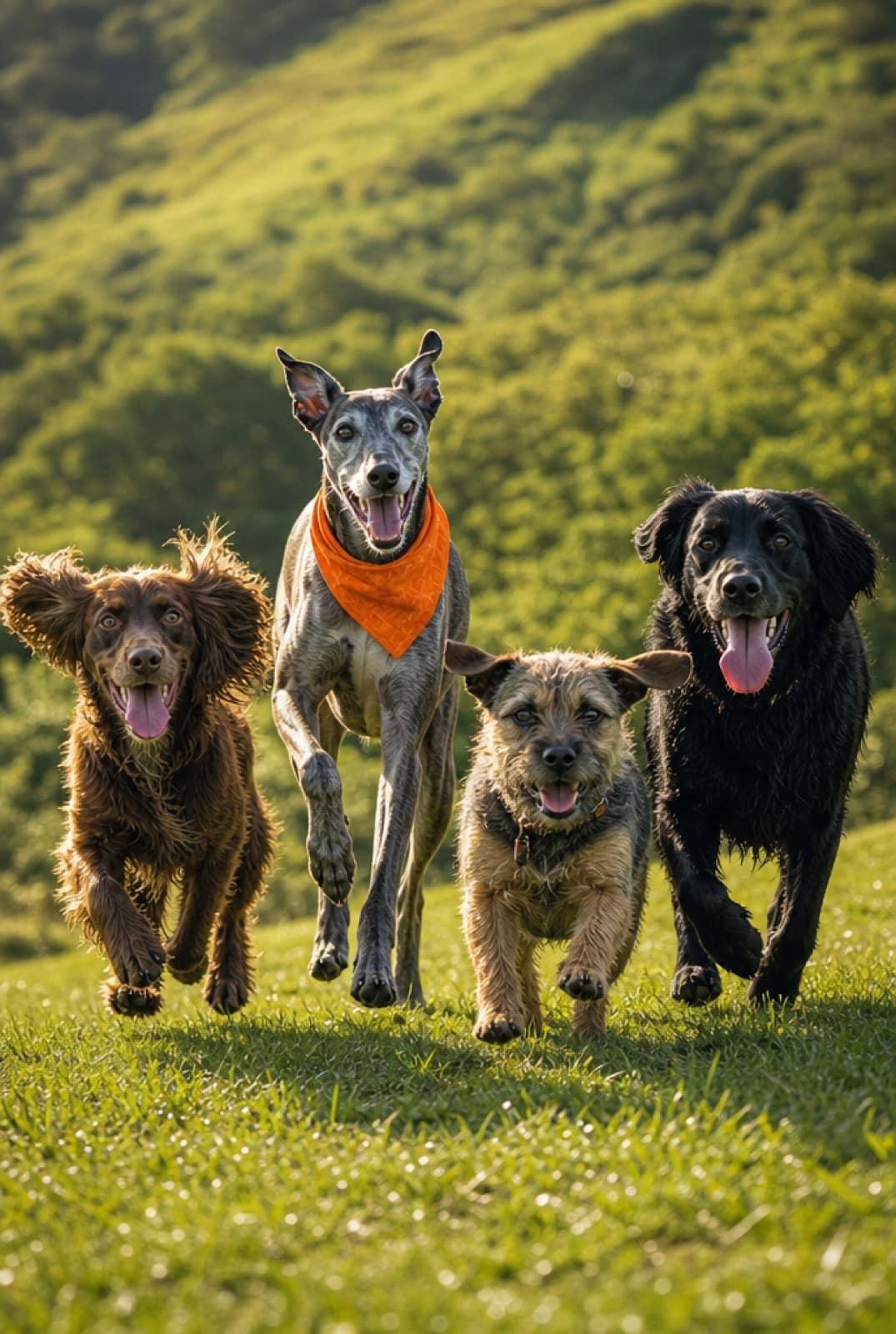
Good dog play is bouncy, loose and balanced. Look for play bows, wiggly bodies, frequent pauses and dogs taking turns at chasing or being on top. Worry signs include one dog always chasing or pinning, a dog trying to hide or escape, stiff bodies, freezing, or play that keeps getting louder and rougher. Do a consent check: gently separate them for a moment and hold the bolder dog back. If the quieter dog comes back for more, they’re enjoying it. If they move away, end the game. Regular short breaks help everyone stay calm.

Lesson 5

Skill-building games and when play goes wrong

Play is a great way to learn. Hide and seek builds a stronger recall. Find it uses the nose. Simple tricks, like touching their nose to your hand or a spin, boost confidence. Keep games short and stop before your dog becomes over-aroused: frantic, mouthy, barking or unable to listen. If play tips over, calmly pause, move away or scatter some food to help them reset. Some dogs guard toys. If yours stiffens, freezes or growls over a toy, don’t grab it. Trade for something tasty and get help from a qualified behaviourist.

Practise

Safe play quiz

Question 1 of 4

Which tug technique is kinder on your dog’s neck and teeth?

Doing a play consent check

Put the steps of a consent check during dog play in order.

  1. 1Let the quieter dog choose what to do next
  2. 2Let play carry on if they come back for more, or end the game if they move away
  3. 3Keep building in short breaks as play continues
  4. 4Watch the play for signs it’s becoming one-sided or too rough
  5. 5Calmly call or gently guide the dogs apart
  6. 6Gently hold the bolder dog back for a few seconds

Section revision

Score 70% or more to pass this section.

Question 1 of 8

Does playing tug make dogs aggressive?

Know someone who’d find this useful?WhatsAppFacebookEmail
Small numbers, big days
Zoomies: confirmed
Out on the hills
Ball is life
Settled at home
Best friends since Tuesday
Trail days
Little paws, big world
Known by name