Section 2 of 7 · about 1 min read

Reading body language

Learn what tails, ears, eyes and posture are telling you – and spot stress early.

This course is general guidance. If your dog shows sudden behaviour changes, pain, fear or aggression, speak to your vet and a qualified, reward-based behaviourist.

Lesson 1

Read the whole dog

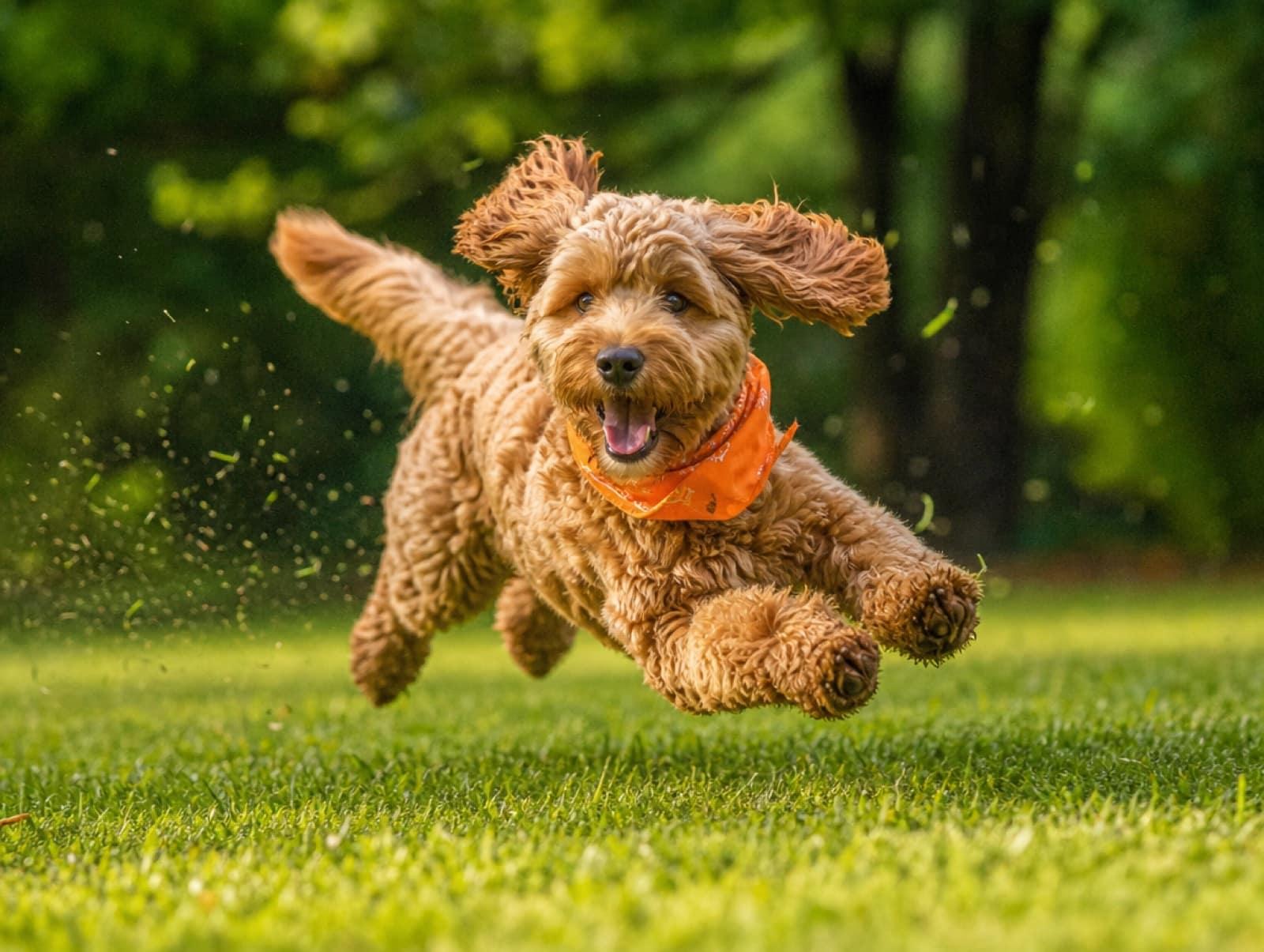
No single body part tells the full story. Look at the overall picture: posture, tail, ears, eyes, mouth and how the body moves. A relaxed dog is loose and wiggly, with a soft face and an open mouth. A worried dog makes themselves smaller, tucks the tail and pulls the ears back. An alert dog leans forward and goes still. Context matters too – panting on a hot day is different from panting at the vet.
Lesson 2

Tails and wags

A wagging tail simply means the dog is emotionally aroused – it isn’t a guarantee of friendliness. A broad, sweeping wag with a wiggly bottom is happy. A high, stiff, fast flick can mean tension. A low or tucked tail suggests worry. Breeds carry tails differently, so learn your own dog’s neutral position and notice when it changes.

Lesson 3

Calming signals and the stress ladder

Dogs usually whisper before they shout. Early signs of unease include lip licking, yawning when not tired, turning the head away, showing the whites of the eyes, lifting a paw and sudden sniffing. If those are missed, signs can escalate to freezing, staring, growling, snapping and finally biting. A growl is valuable communication – never punish it, or the dog may skip warnings. Instead, give space and work out what worried them.

Lesson 4

Play or trouble?

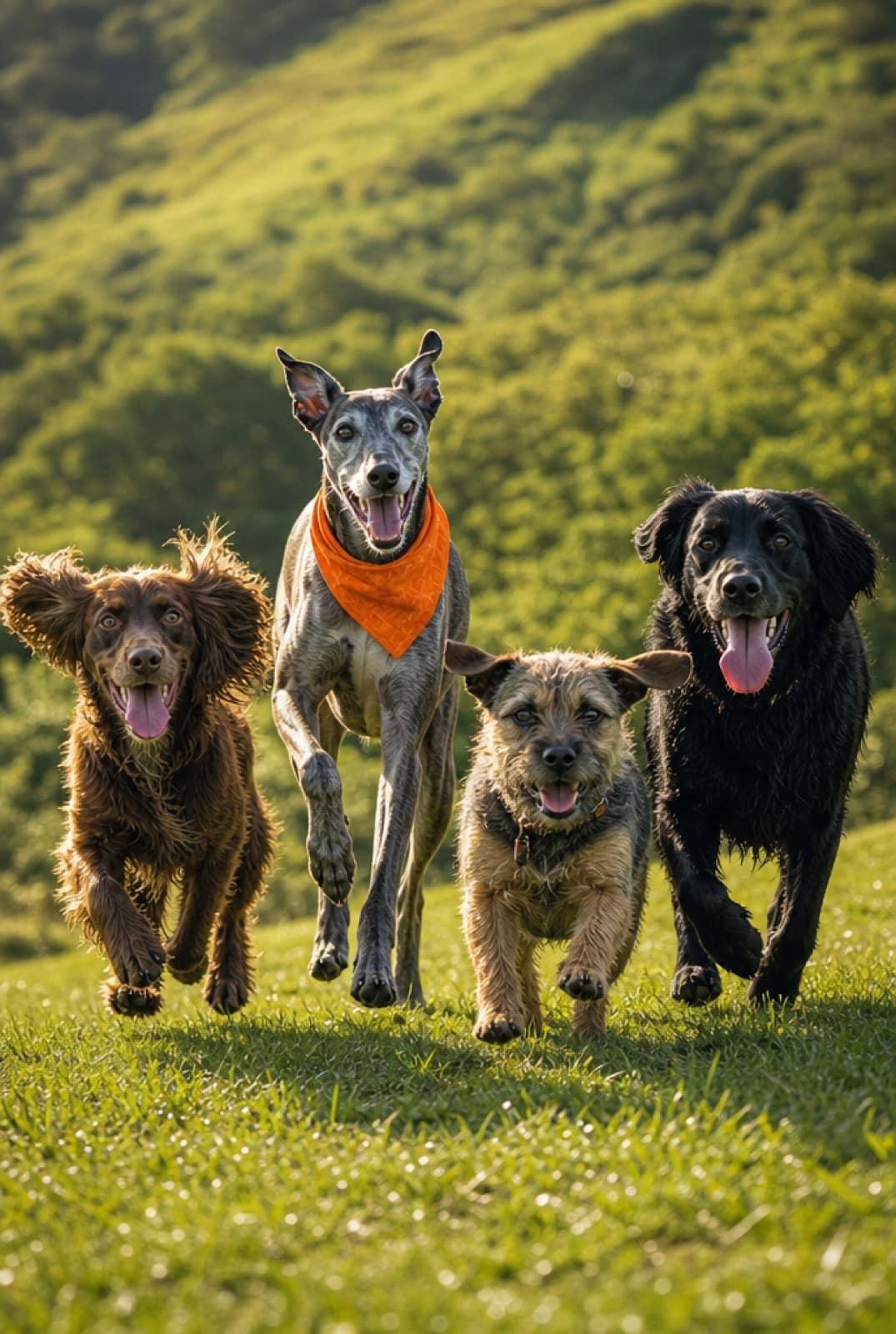
Healthy play looks bouncy and exaggerated. Watch for play bows, taking turns at chasing and being on top, self-handicapping by a bigger dog and frequent little pauses. Worry if one dog is always the one chased, tries to hide or leave, or if bodies become stiff and quiet. A simple consent test: gently separate them – if the “underdog” runs straight back for more, the game is mutual.

Practise

Signal decoder

Play bow

1 of 8 · tap the card to turn it

Climb the stress ladder

Put these signs in order, from the earliest, mildest sign of unease to the most serious.

  1. 1Lip licking or yawning
  2. 2Turning the head or body away
  3. 3Walking away or trying to hide
  4. 4Freezing and staring
  5. 5Growling
  6. 6Snapping
  7. 7Biting

What is that dog saying?

  • A wagging tail always means a dog is friendly.

  • Yawning can be a sign of stress.

  • You should tell a dog off for growling.

  • Good play includes regular pauses and role swapping.

  • A dog that freezes when a child hugs them is enjoying it.

Section revision

Score 70% or more to pass this section.

Question 1 of 8

What does a play bow usually mean?

Know someone who’d find this useful?WhatsAppFacebookEmail
Small numbers, big days
Zoomies: confirmed
Out on the hills
Ball is life
Settled at home
Best friends since Tuesday
Trail days
Little paws, big world
Known by name