Section 1 of 7 · about 1 min read

How dogs think & learn

Development stages, a nose-first view of the world and the simple science of learning.

This course is general guidance. If your dog shows sudden behaviour changes, pain, fear or aggression, speak to your vet and a qualified, reward-based behaviourist.

Lesson 1

Growing up in stages

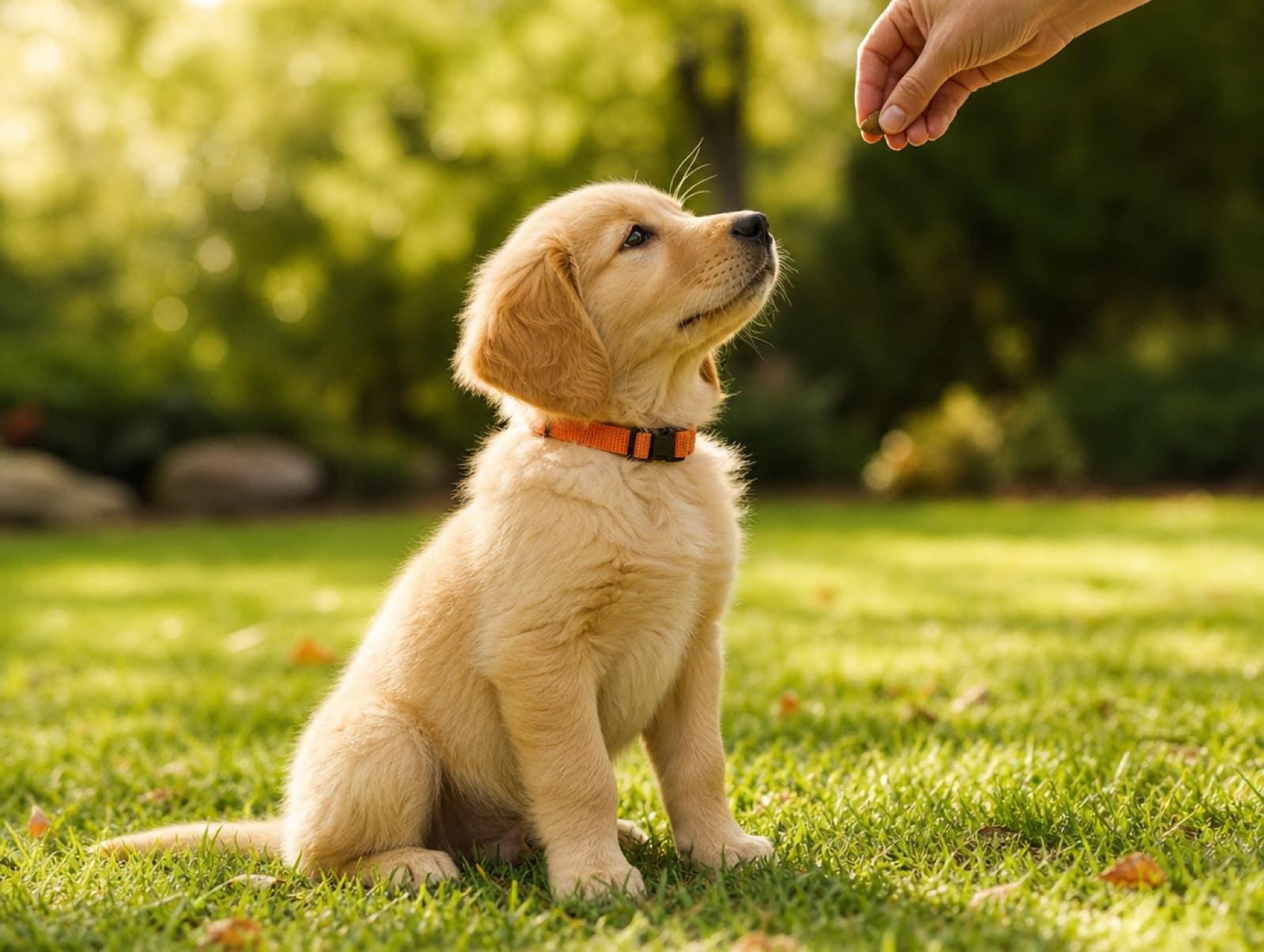
Puppies arrive blind and deaf, then open up to the world in a rush. Between roughly three and twelve weeks they pass through a sensitive window when new sights, sounds and people are easily accepted. Adolescence, from around six months, can bring wobbly manners and new worries – that’s normal brain development, not defiance. Adult dogs settle, and seniors may slow down or need gentler routines. Matching your expectations to the stage makes training kinder and quicker.
Lesson 2

A nose-first world

Your dog’s nose holds hundreds of millions of scent receptors and a dedicated brain area for smell, so a short sniff tells them who passed, when, and how they felt. Hearing picks up higher pitches and quieter sounds than ours. Eyesight is tuned to movement and low light rather than fine detail or red tones. Remember this when training: a fascinating smell can genuinely outweigh your voice, and a moving hand is clearer than a still word.

Lesson 3

How learning works

Dogs learn in two big ways. They link events together – the lead comes out, so a walk is coming. And they repeat behaviours that pay off while dropping ones that don’t. That means every moment is a lesson, not just training sessions. If jumping up earns attention, jumping grows. If sitting earns attention, sitting grows. Your job is to make the behaviour you want the easiest and most rewarding choice.

Lesson 4

Feelings come first

Dogs feel joy, fear, frustration and contentment. A worried or overexcited dog can’t learn well, in the same way you’d struggle to do maths during a fire alarm. Before teaching anything, check your dog is calm enough to think: can they take a treat gently and respond to their name? If not, add distance, lower the excitement, or try again later. Trust grows when your dog learns that you keep them safe.

Practise

Brain & senses basics

Socialisation window

1 of 7 · tap the card to turn it

Myth or fact?

  • A teenage dog who suddenly “forgets” their recall is being deliberately stubborn.

  • Dogs can learn at any age.

  • Dogs see the world in black and white only.

  • Sniffing on walks is valuable mental exercise.

  • A very frightened dog will learn a new cue quickly if you repeat it louder.

  • Dogs are learning even when you are not formally training.

Quick check

Question 1 of 4

Your dog freezes to sniff a lamppost and doesn’t respond to their name. What’s most likely happening?

Section revision

Score 70% or more to pass this section.

Question 1 of 8

Roughly when does a puppy’s main socialisation window close?

Know someone who’d find this useful?WhatsAppFacebookEmail
Small numbers, big days
Zoomies: confirmed
Out on the hills
Ball is life
Settled at home
Best friends since Tuesday
Trail days
Little paws, big world
Known by name