Section 1 of 4 · about 1 min read

Trick Foundations

How dogs learn tricks: markers, luring, shaping and capturing.

Keep sessions short and happy, never force your dog into a position, and check with your vet before teaching jumping or balancing tricks to puppies, older dogs or dogs with joint or back problems.

Lesson 1

Why tricks are worth it

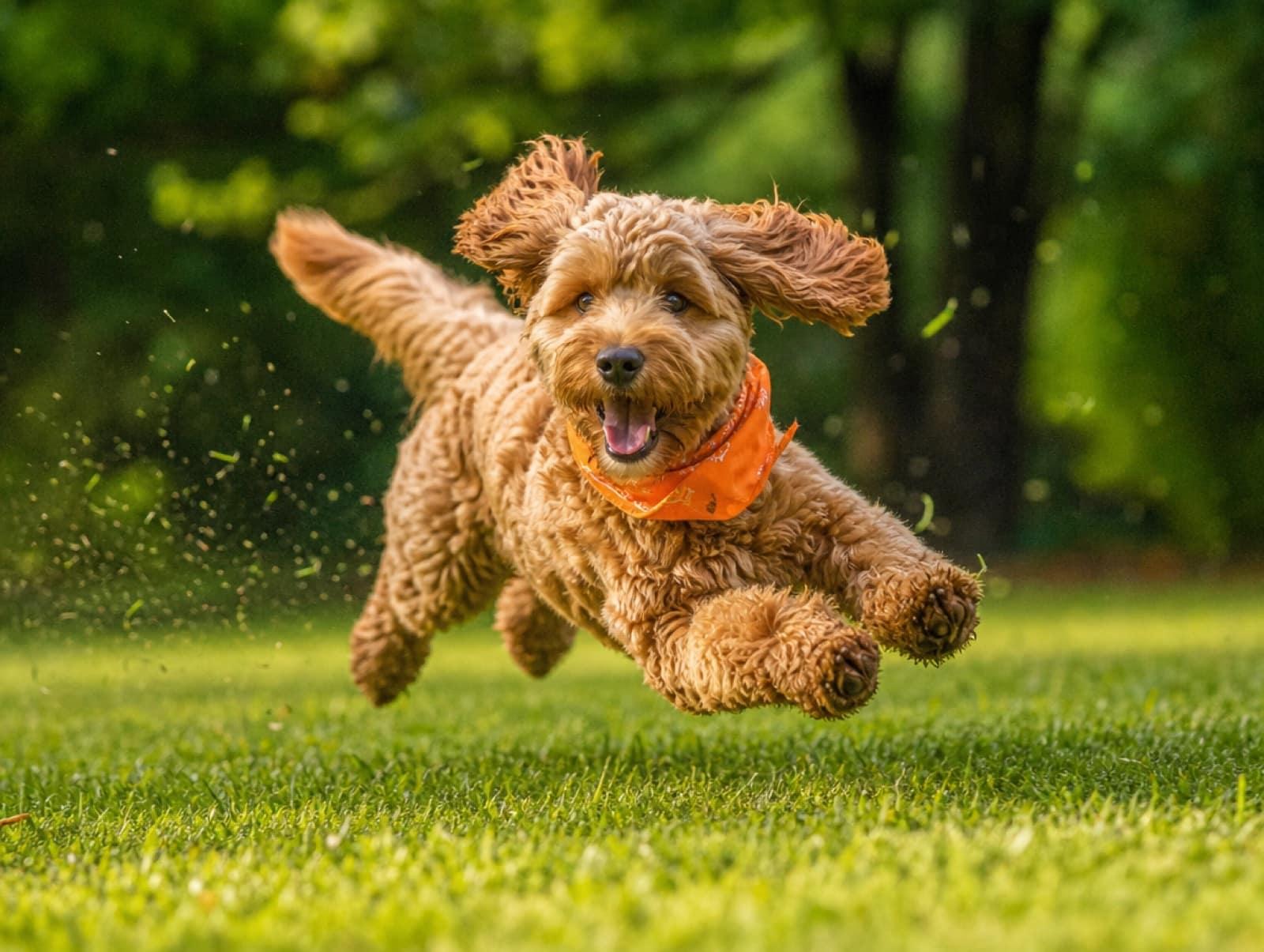
Tricks aren’t just party pieces. Every new trick is a puzzle your dog solves with you, which tires the brain as well as the body. Trick time builds trust, sharpens focus and gives shy dogs a confidence boost. It also teaches you to communicate clearly, and those skills carry straight over into everyday manners. Best of all, it’s fun for both of you.
Lesson 2

Your marker: the magic moment

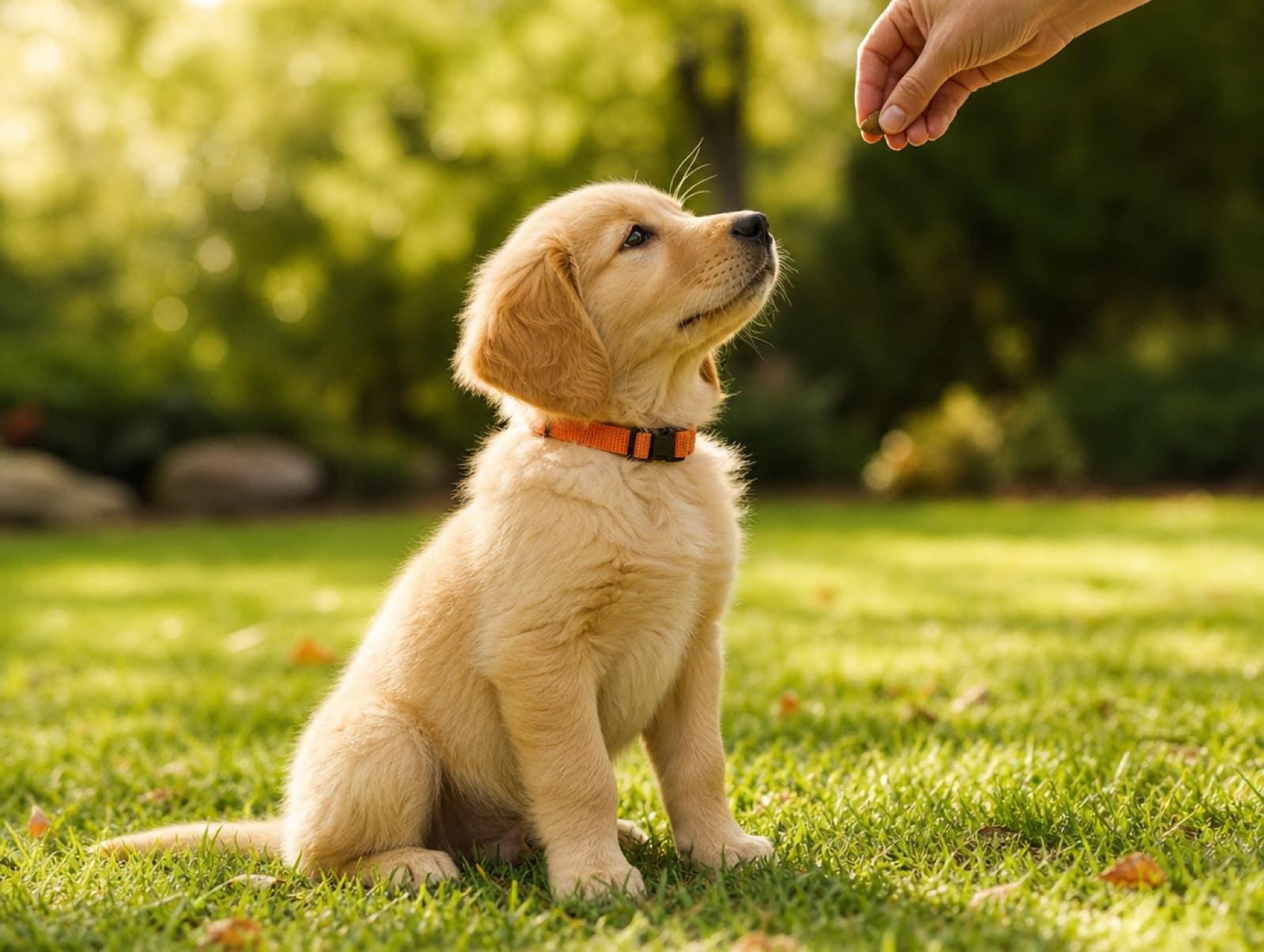
A marker is a short signal, like a click or a crisp “yes!”, that tells your dog exactly which moment earned the reward. Teach it by saying the marker and giving a treat straight away, ten times or so, until your dog’s ears prick at the sound. Then use it to pinpoint the right action. Timing matters more than anything: mark the instant it happens, not a second later.

Lesson 3

Three ways to teach

Luring means guiding your dog into position with a treat held by the nose. Shaping means rewarding small steps towards a finished behaviour, such as a glance at a box, then a sniff, then a paw. Capturing means waiting for your dog to do something naturally, like a stretch or a sneeze, and marking it. Most tricks use a mix of all three.

Lesson 4

Fading the lure and adding a cue

A lure is a helpful start, but you don’t want a dog who only performs when food is in view. After a few successful repetitions, make the same hand movement with an empty hand and reward from your other hand. Once the behaviour is reliable, say your cue word just before the action. Over time the word alone becomes enough.

Lesson 5

Happy, healthy sessions

Train in bursts of three to five minutes and stop while your dog still wants more. Use small, soft treats and a quiet room to begin with. If your dog seems confused, make the step easier rather than repeating the cue louder. Never push, pull or physically force a position. Watch for yawning, sniffing or turning away, which often mean “I need a break”.

Practise

Training toolkit

Marker

1 of 7 · tap the card to turn it

Charging up a marker

Put the steps for teaching a marker word in order.

  1. 1Say the marker, then give a treat straight away
  2. 2Start using it to mark a simple behaviour like sit
  3. 3Repeat around ten times in a quiet room
  4. 4Pick a short, distinct marker such as “yes!” or a click
  5. 5Check your dog perks up when they hear the marker

Foundations: true or false?

  • You should repeat the cue louder if your dog doesn’t respond.

  • Short sessions of a few minutes work better than long ones.

  • Capturing means rewarding something your dog does naturally.

  • It’s fine to gently push your dog into position if they don’t understand.

  • The cue word is best added once the behaviour is reliable.

  • Yawning and sniffing during training can be signs your dog needs a break.

Section revision

Score 70% or more to pass this section.

Question 1 of 8

What is the main job of a marker word or click?

Know someone who’d find this useful?WhatsAppFacebookEmail
Small numbers, big days
Zoomies: confirmed
Out on the hills
Ball is life
Settled at home
Best friends since Tuesday
Trail days
Little paws, big world
Known by name